
Japan · Destination guide · Oct 31, 2026
Japan on a budget: smarter ways to plan transport, stays, and meals
A flexible itinerary, local transit cards, and a few thoughtful choices can help keep Japan travel costs in check. If you shop tax-free, note the refund-system change scheduled for November 1, 2026.
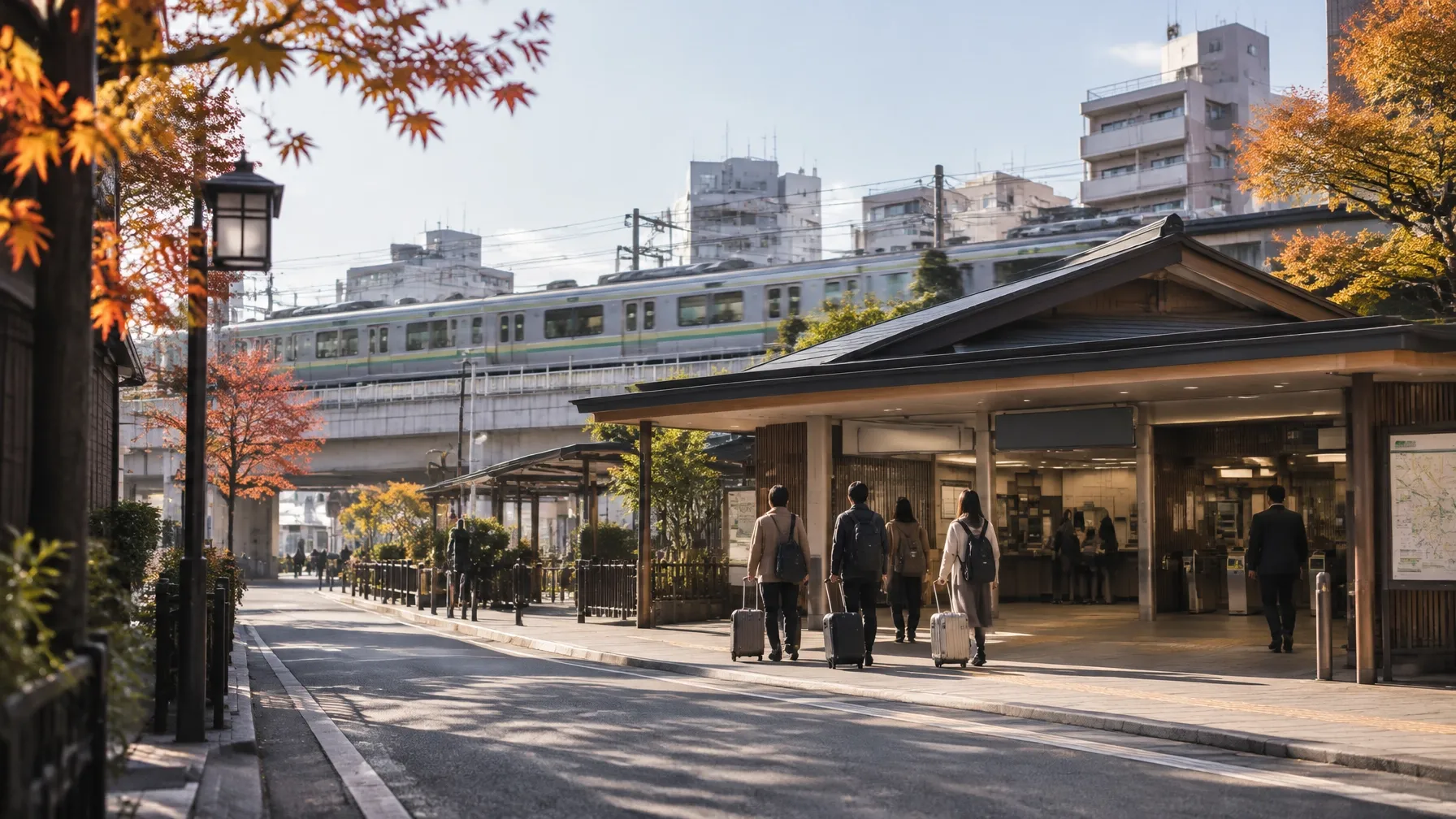
Japan can fit a range of travel budgets, but the biggest savings often come from matching your transport and accommodation to the shape of your itinerary. SmarterTravel’s guide highlights practical choices such as using local transit, comparing regional rail options, booking a stay that suits your route, and looking for affordable meals and cultural activities. Japan’s National Tourism Organization (JNTO) also recommends comparing transport passes and regional options rather than assuming one pass suits every trip.
**Plan rail around the places you will actually visit.** The nationwide Japan Rail Pass may be worthwhile for extensive intercity rail travel, while a regional pass or individual tickets can be better for a shorter or more localized stay. Compare the current pass price against the exact journeys you plan to make, and check what lines and services the pass includes. The national pass does not cover every private railway or city subway, and current fares and terms can change.
**Use an IC card for everyday transit.** Suica, PASMO, and other regional IC cards make many local train, bus, and small purchases easier. They are convenient, but not a universal pass: you still pay for each journey, and some routes or services require separate tickets. Check JNTO or the card issuer for current availability and use in the area you are visiting.
**Compare long-distance alternatives.** For some routes, an overnight highway bus can cost less than rail and may reduce a night’s accommodation expense. Domestic flights can also be competitive on longer distances, especially when booked in advance, but compare airport transfers, baggage, seat, and change fees before deciding. Include the ground journey on both ends in the total.
**Choose lodging and meals to fit the day.** Business hotels, hostels, and some capsule hotels may be less expensive than full-service hotels. Compare the location and likely transport cost, not only the nightly rate. JNTO also notes that lunch specials can offer value; convenience stores and local supermarkets can be useful for simple meals. At a ryokan, check whether meals are included and what nearby dining options exist.
**Know the tax-free shopping change.** Japan’s tourism authority says a revised tax-free refund method is scheduled to begin November 1, 2026. Under the new process, eligible visitors pay the tax-inclusive price at participating shops, then complete customs procedures before departure to request the consumption-tax refund. The official guidance says goods must be presented for inspection within 90 days of purchase, before checking them in as baggage; keep purchases and receipts accessible and allow extra time at the departure airport. Eligibility and procedures can vary, so read the current official requirements before relying on a refund.
Budget estimates depend on dates, exchange rates, destinations, travel style, and the exchange rate used. Compare live prices for your travel dates and build a route plan before buying passes or booking lodging. For private airport or city transportation, enter exact addresses and travel dates in RideCar’s booking flow to see whether a local option is available; availability and vehicle choices vary by market.
Original source
This RideCar briefing summarizes an update first reported or announced by SmarterTravel. Check the original source for further details and the latest changes.
Read the original source View official airport informationJNTO guide to IC transit cardsCheck official Japan Rail Pass pricesJNTO: new tax-free refund processJapan Tourism Agency: tax-free shopping updatesTravel information can change. Confirm flight schedules, airport procedures and service details with the relevant airline, airport or government agency before travel.